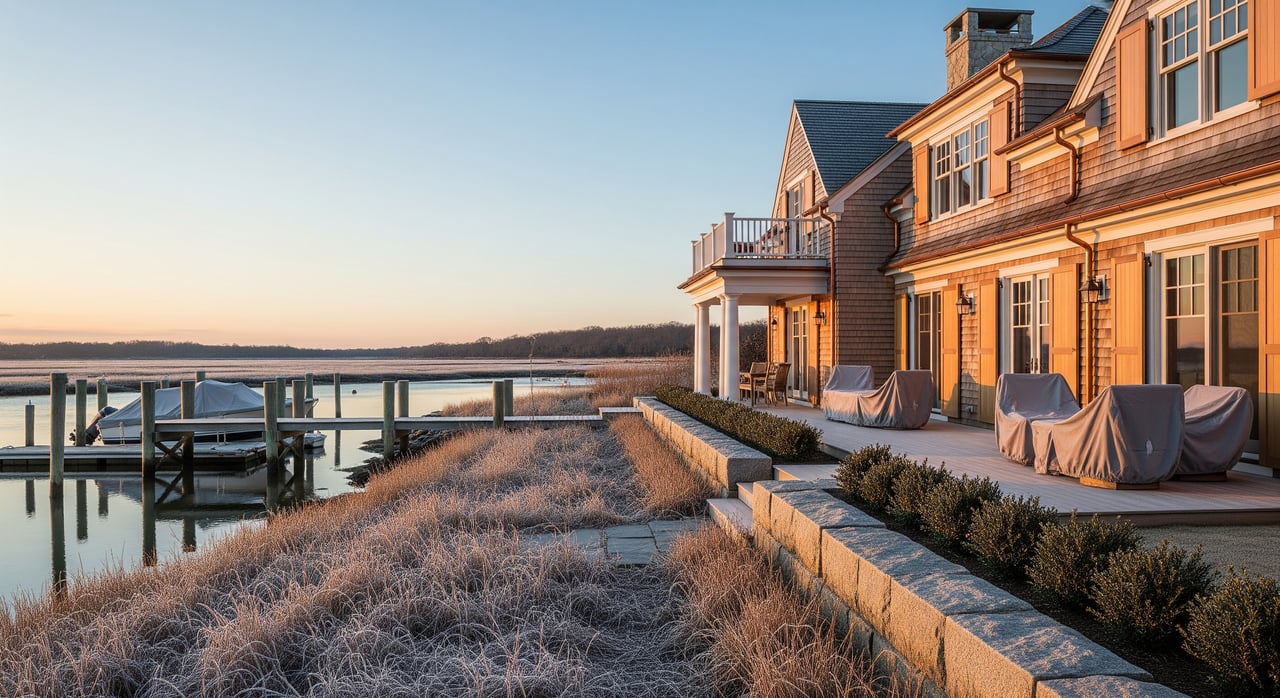
How to Winterize Your Waterfront Home in Old Lyme
December 4, 2025
December 4, 2025
If you own a shoreline or riverfront home in Old Lyme, your winter prep starts at the waterline. Freezing temperatures, nor’easters, and shifting tides can turn small oversights into costly repairs. Whether this is your first Connecticut winter or your tenth, a clear plan helps you protect your property and enjoy worry-free off-season months. In this guide, you’ll find a practical, local checklist, timing tips, and vendor guidance tailored to Old Lyme’s unique conditions. Let’s dive in.
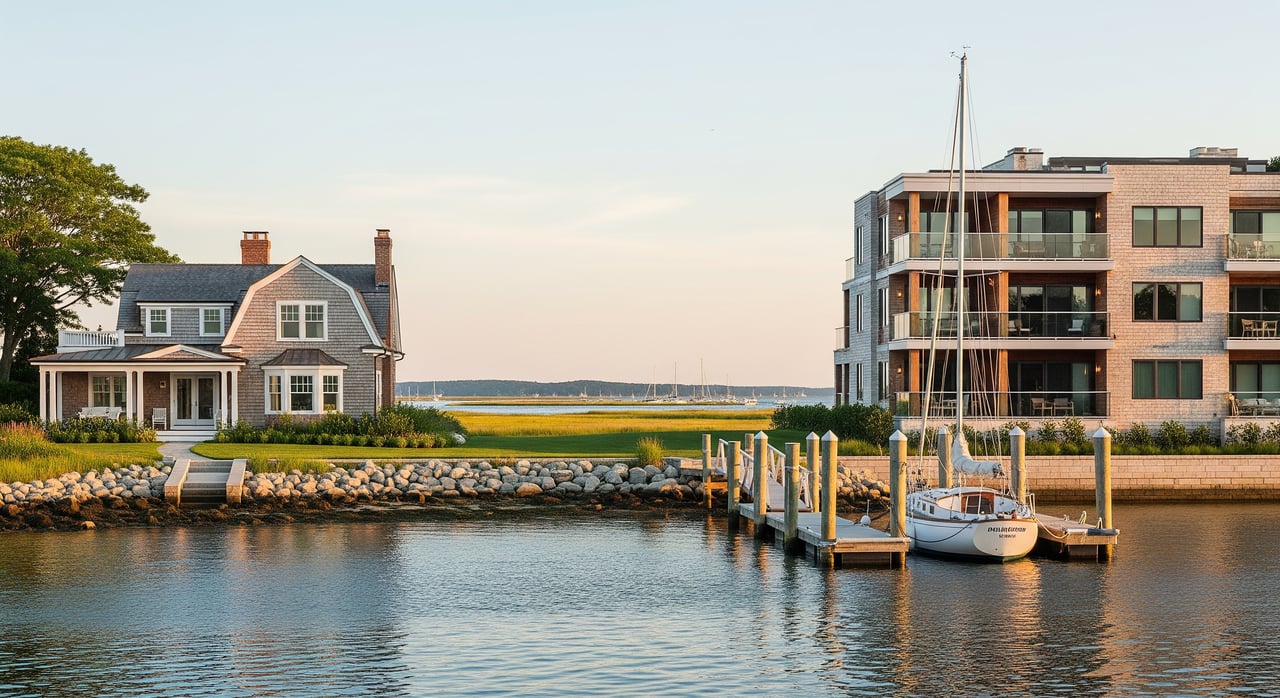
Old Lyme sits where the Connecticut River meets Long Island Sound. That means you face both tidal and river influences, with potential storm surge, high tides, and ice that can stress docks, moorings, and shoreline structures. Salt spray and corrosion add wear to metal fittings and outdoor electrical. Planning ahead reduces risk and emergency calls when the first hard freeze arrives.
Seasonal nor’easters can stack surge on top of high tides. Ice forms on both inland and coastal waters, and freeze or thaw cycles can shift or lift floating structures. Repeated icing can stress connections, ladders, and gangways. Securing or removing vulnerable items before sustained freezing limits damage.
Regional data shows sea level rise and more frequent high-tide or nuisance flooding in southern New England. For low-lying properties, that means higher exposure for docks, ramps, bulkheads, and utilities over time. Pre-winter inspections and ongoing documentation make it easier to plan updates and support insurance claims if needed.
Waterfront work often involves permits or approvals. In Old Lyme, coordinate with the Town Harbor Management Commission and harbormaster, and check Connecticut DEEP requirements for docks, piers, and tidal wetlands. Some projects may also involve the U.S. Army Corps of Engineers. Confirm what is allowed before you remove or alter any structures.
Timing changes with the weather each year. Use local forecasts and tide data, and book marine vendors early since schedules fill fast.
Waterfront infrastructure needs extra attention in cold weather. The right approach depends on your dock type, exposure, and permits.
Seasonal removal reduces ice damage risk for many floating docks. In-place winterization can work when the system is designed to rise and fall on pilings and is secured correctly. Each option has tradeoffs, so review your design, hardware, and exposure before you decide.
Aim to remove floating components before sustained freeze and major storms, often October to November depending on local conditions. Coordinate with your marine contractor for cranes or barges if needed, and secure storage terms in writing. Photograph pre-winter conditions for your records.
Work near eelgrass beds, salt marshes, or shellfish areas can have special rules. Follow Connecticut DEEP guidance and your permit conditions to avoid habitat impacts. Ask your contractor about best practices and seasonal restrictions.
Cold snaps and power outages can push interior systems to the edge. Focus on preventing frozen pipes and controlling moisture to avoid mold.
Keep relative humidity below about 50 percent to limit mold growth. Use dehumidifiers in basements and crawl spaces, and place humidity monitors with remote alerts if you are away. Confirm that attic and crawl ventilation is clear and that bath and kitchen exhausts terminate properly.
Test sump pump floats, check valves, and discharge lines. Add a battery or water-powered backup and a high-water alarm. For marine or exterior circuits, confirm GFCI protection and consider disconnecting nonessential outdoor circuits during severe weather.
Prepare for heavy weather before it arrives. Elevate valuables and mechanicals where feasible, and store important documents offsite. After a storm, inspect docks, pilings, bulkheads, and shoreline for movement or damage. Look for salt corrosion, water intrusion, and debris impacts, then photograph findings for insurance and contact vendors as needed.
Specialized waterfront work requires the right team. Plan early, confirm credentials, and document scope and timelines.
Marine contractors, boat yards, and dock services book quickly in late summer and early fall. Reserve your slot early and keep a backup vendor list for winter issues. Expect higher costs for marine work due to cranes, barges, tides, and permit coordination, and obtain multiple bids to compare scope and approach.
Review your homeowner’s policy and any flood coverage through the National Flood Insurance Program. Confirm wind and flood deductibles, limits, and any mitigation requirements. Elevating utilities, using flood vents, and documenting pre-storm steps can help reduce loss and support claims. Keep dated photos of docks, shoreline structures, and interior systems before and after major weather.
With the right steps in early and mid fall, you can protect your Old Lyme waterfront home from ice, storms, and corrosion, and start spring with fewer surprises. If you want a local perspective on docks, moorings, or shoreline considerations as you buy or sell, you will benefit from guidance rooted in hands-on coastal experience and community knowledge. For tailored recommendations and trusted vendor introductions, connect with Teri Lewis. Request a Concierge Consultation.
Stay up to date on the latest real estate trends.

Teri is extremely personable and will work tirelessly for your needs. Her attention to detail and her honest and personable approach is what she longs for each in every transaction. She will not only find you a home, but will also help you find the right fit for your family and also give you a concierge approach when transitioning into the area she so loves.